Optimisation
Analyse slow queries, indexes and data access patterns. Verify changes against representative queries and data volumes.
IGTCODE Services Serbia
IGTCODE in Serbia designs and develops databases for business systems, web and mobile apps. We work with relational models, PostgreSQL, MySQL and services such as Supabase, according to each project's requirements.
A data model defines entities, relationships and integrity rules. We design tables, keys and constraints to keep data consistent when mobile apps, web interfaces and administration work concurrently. Structure follows actual queries and business rules.
We use PostgreSQL and MySQL for relational data. Platforms such as Supabase can provide a PostgreSQL database and related services. Supabase is one option; the choice depends on existing systems, integrations, operations and budget.
Access rules define who may read or change specific data. We separate user and server privileges, validate backend authorisation and limit exposed APIs. With PostgreSQL Row Level Security, policies restrict individual rows; user roles alone do not replace correctly defined policies.
Reliability goes beyond the technology choice. Migrations, measurement and recovery matter too.
Analyse slow queries, indexes and data access patterns. Verify changes against representative queries and data volumes.
Version schema changes, test imports and check integrity before changing production.
Define backup and retention plans around the project. Test data restoration as part of recovery planning.
We choose technology around the requirements and existing system. The specific stack and each service's role are agreed during planning.
Identify entities, sources, volumes and access rules.
Define relationships, constraints, API boundaries and migrations.
Check queries, permissions and integrity against real scenarios.
Agree monitoring, backups and recovery procedures.
No. We choose the database and environment for the project. Supabase is one option for PostgreSQL-based systems.
Yes. We first analyse slow queries, indexes and access patterns, then measure the impact of changes.
RLS restricts access to individual rows in a table. Policies are defined around identity, roles and application rules.
Backups matter, but restoration must also be tested. The plan covers retention, acceptable data loss and recovery procedures.
That depends on database size, the changes and the architecture. We plan the minimum necessary interruption, a trial migration and a fallback if checks fail.
Through a backend or suitable API with access controls. Privileged server keys do not belong in a user's mobile or web app.
In practice
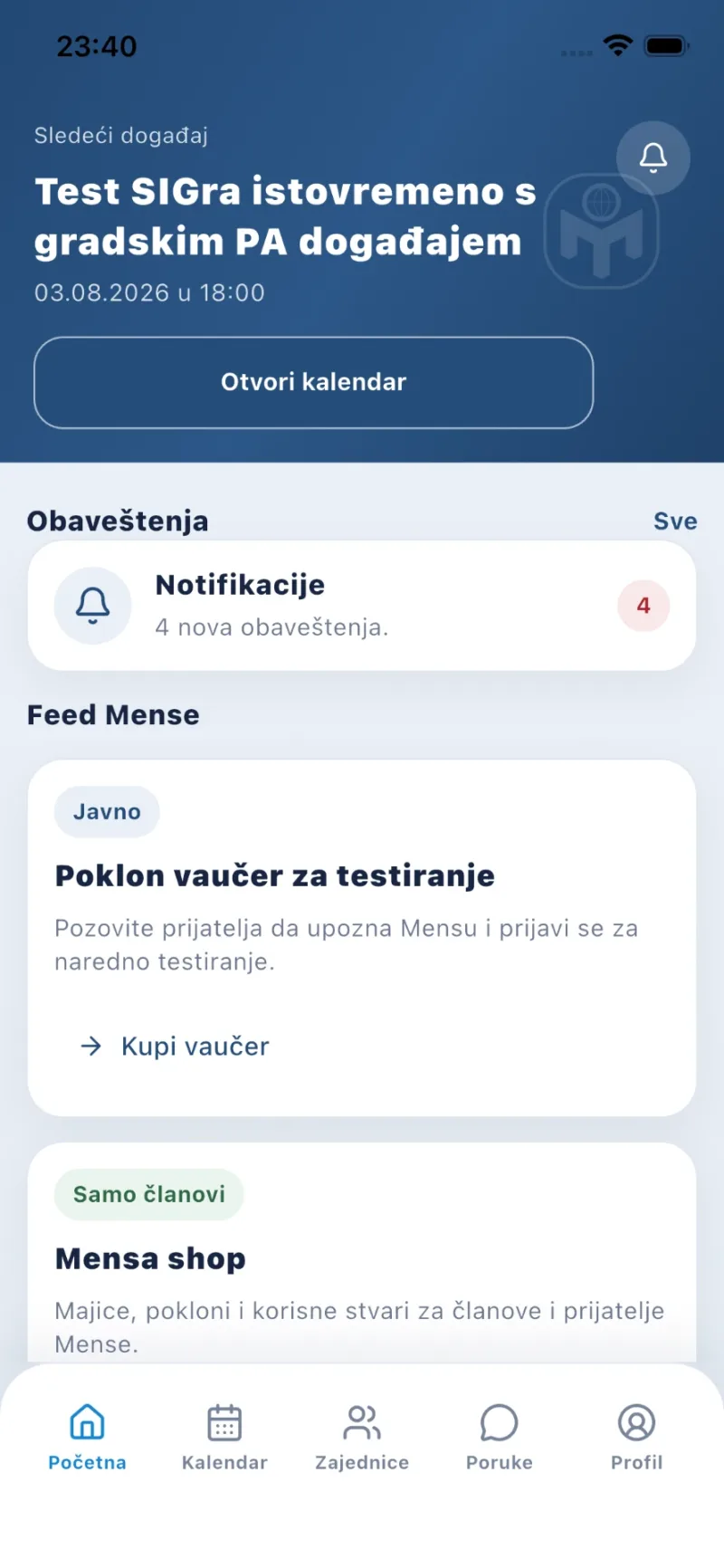
Digital system for an association
Membership, events and communication connected with administration through a shared mobile and web platform.
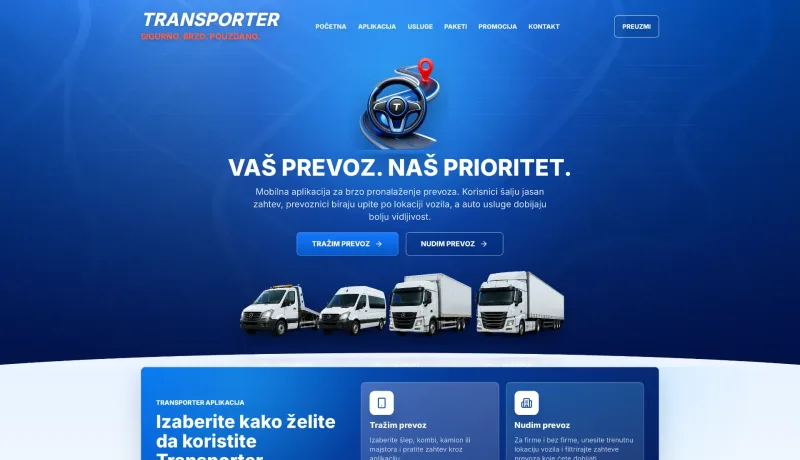
Transport marketplace
A platform connecting users and carriers through requests, offers, maps and transport organisation.
Next step
Tell us what it needs to do, who will use it and what matters most to you. Together, we will clarify the scope and propose the next step.