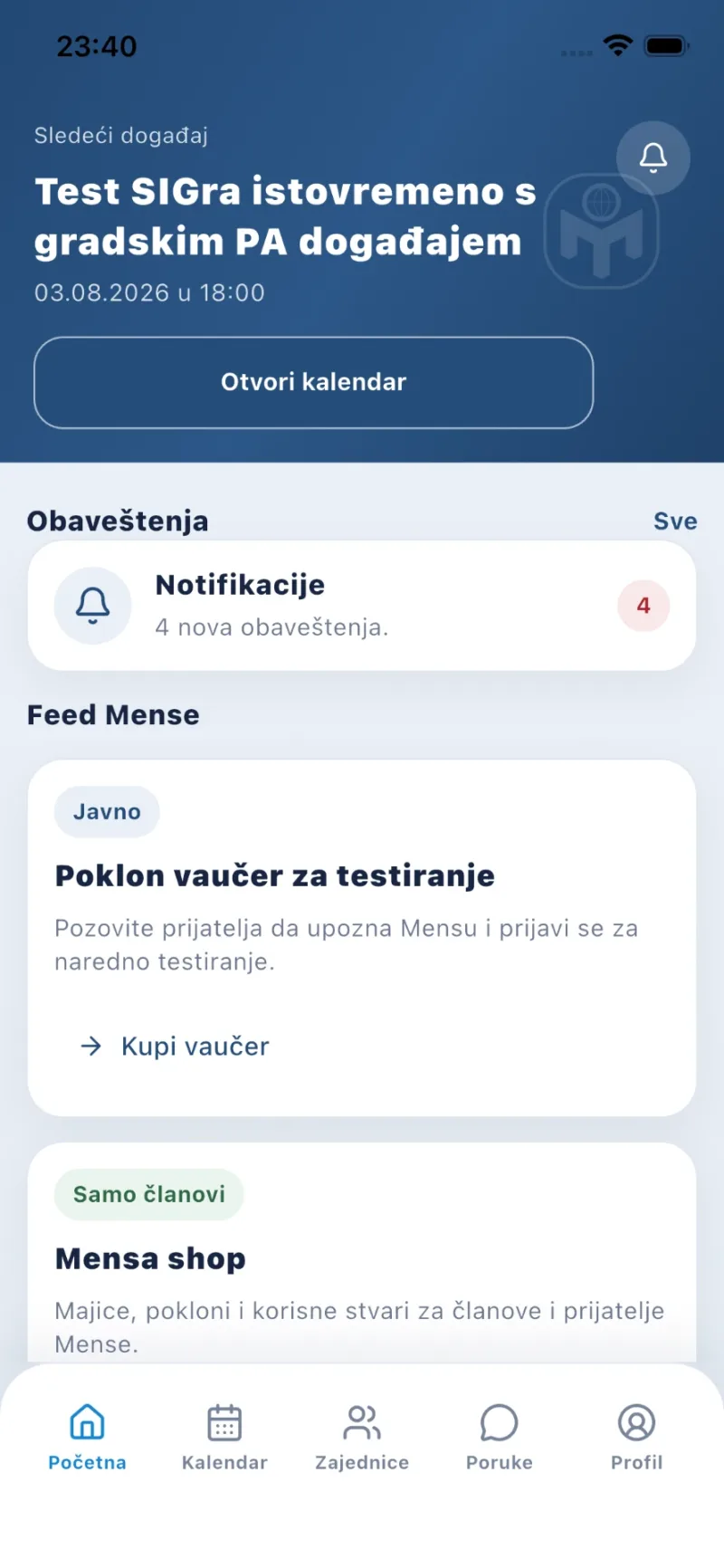
Digital system for an association
Mensa Serbia
Membership, events and communication connected with administration through a shared mobile and web platform.
- Platforms
- Mobile app · Web · Administration
- Technologies
- Flutter · React · MySQL · REST API
IGTCODE Services Serbia
IGTCODE is a software development company in Serbia using Flutter for business, organisation and startup apps locally and internationally. We connect Flutter development with backends, APIs and administration, from the first version to Android and iOS publishing.
Flutter is a framework for building applications from a shared codebase using Dart. Cross-platform development shares much of the interface and logic between Android and iOS. Platform-dependent integrations still need dedicated attention and testing.
We use Flutter for apps with accounts, membership, events, offers and maps. The IGTCODE portfolio lists Flutter for Mensa Serbia, the Serbian School Sports Federation and Transporter. Technology choices are confirmed against each project's requirements.
Shared code helps develop and align features. Not every task is shared: sign-in, push permissions, payments, deep links and device behaviour must be checked on both platforms. Testing covers different screen sizes and real devices.
We connect Flutter interfaces with REST APIs and backend business logic. Firebase services such as Cloud Messaging, or Supabase, can form part of the architecture where appropriate. Databases, authorisation and privileged operations have a clearly defined server boundary.
We monitor asset sizes, screen responsiveness and slow network requests. We optimise where measurements show a need, and prepare production builds, platform testing and store submissions.
IGTCODE works with businesses, organisations and startups in Serbia and abroad. We agree scope, communication, delivery stages and responsibilities so mobile development can fit the client's existing team and systems.
We choose technology around the requirements and existing system. The specific stack and each service's role are agreed during planning.
Clarify users, core workflows and device-specific requirements.
Define shared code, APIs and user journeys.
Build in stages and check Android and iOS separately.
Prepare store releases and agree the next development steps.
Yes. Much of the app can share code, with platform-specific configuration and testing for both systems.
No. Permissions, payments, notifications, deep links and device behaviour still need checks and configuration on each platform.
Yes, where suitable APIs and access are available. We first review authentication, data structures and business rules.
They can be part of the architecture where they fit the requirements. The choice depends on the project, access rules and maintenance needs.
We measure responsiveness and behaviour on real devices, especially with long lists, images and slow networks. Optimisation addresses specific observed problems.
Yes. We work with international teams and agree communication, delivery milestones, access and responsibilities in advance.
In practice
Digital system for an association
Membership, events and communication connected with administration through a shared mobile and web platform.
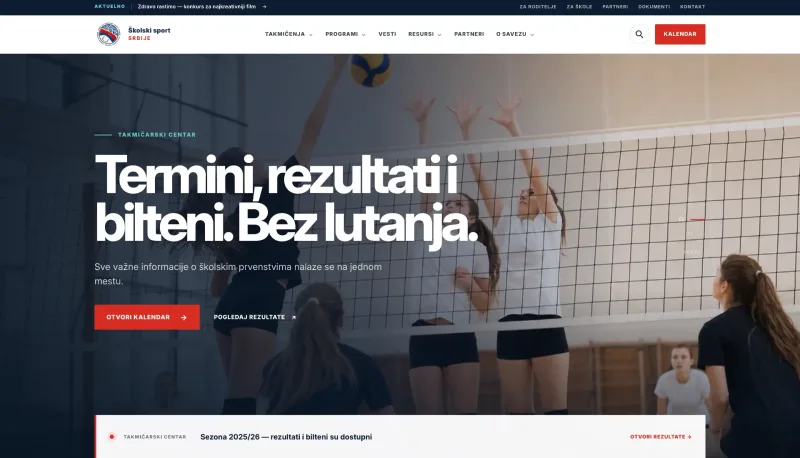
Digital platform for school sports
A mobile app, public website and administration connecting school sports participants, their roles and records.
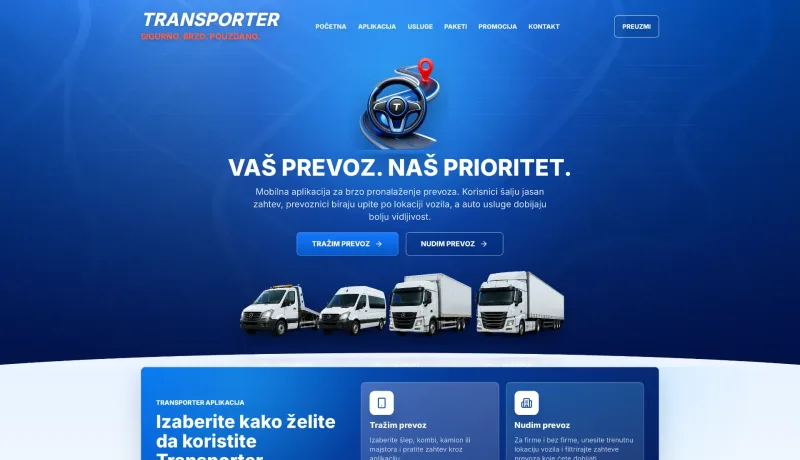
Transport marketplace
A platform connecting users and carriers through requests, offers, maps and transport organisation.
Next step
Tell us what it needs to do, who will use it and what matters most to you. Together, we will clarify the scope and propose the next step.